….after the pests are gone
In the winter of 2016, SAFER undertook an operation to eradicate the pest mammals (mice, rats, and rabbits) that had been introduced to Bense and Little Bense Islands. But over an area of 144 hectares (355 acres), how do you know you’ve eliminated every single pest?
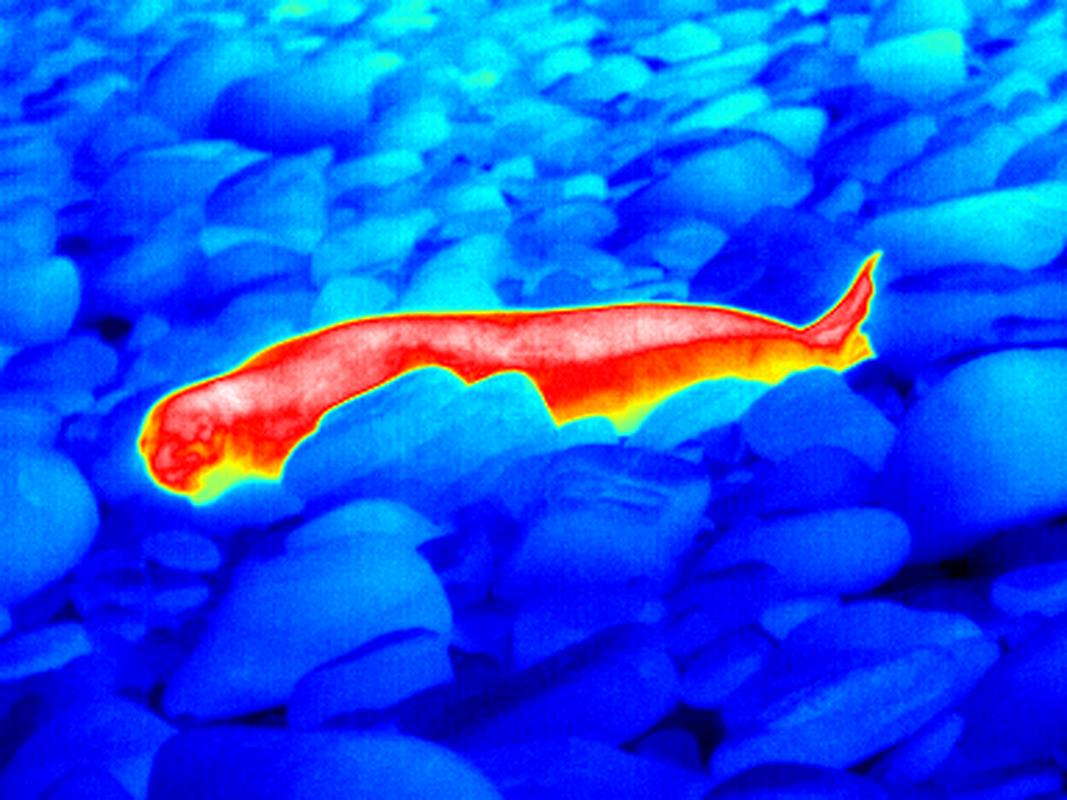
One technique used to determine eradication success is the placement of wax “chew-sticks” around the islands. These blobs of peanut butter-scented wax are irresistible to rodents and if a mouse or rat encounters one, they are sure to leave tell-tale bite marks in the wax. We placed over 200 of these across all parts of the islands and 15 months later we closely inspected each one for evidence of little nibblers. We also spent hours searching for footprints and droppings, and used a thermal camera to look for mammals at night, when these rodents are most active. We were delighted that we found no rodent bite marks and no evidence of any mammals (besides the native sea lions).

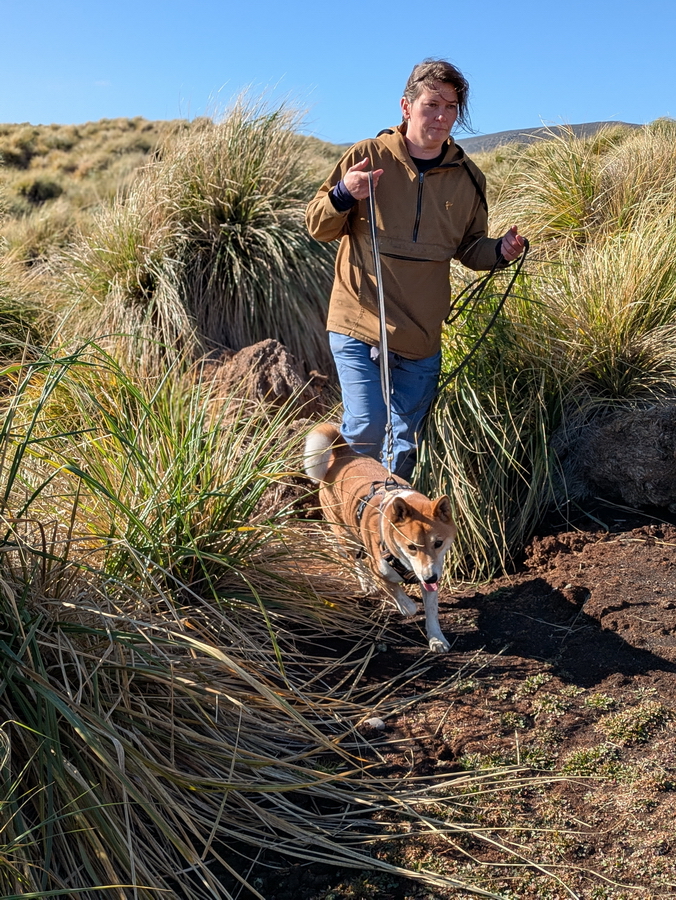
In March 2025 we also added another level of confidence that we had succeeded when we had a visit from Sammy, a dog specially trained to sniff out rats and mice. Trained and handled by his owner, Naomi Cordeiro of Green Hound Ltd, Sammy sniffed around much of Bense and Little Bense Islands, including some really dense tussock grass areas, but his sophisticated nose found no rodents.
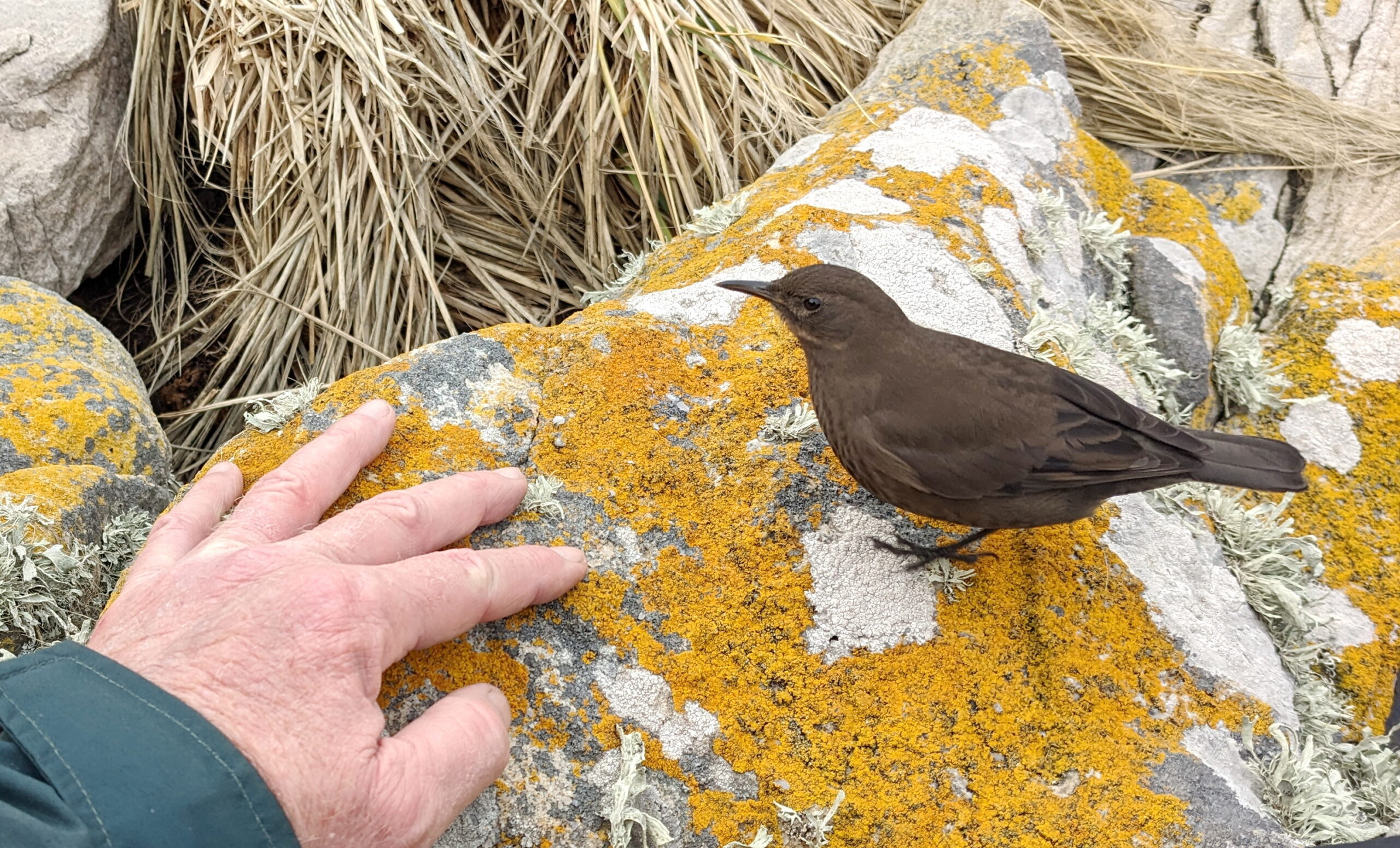
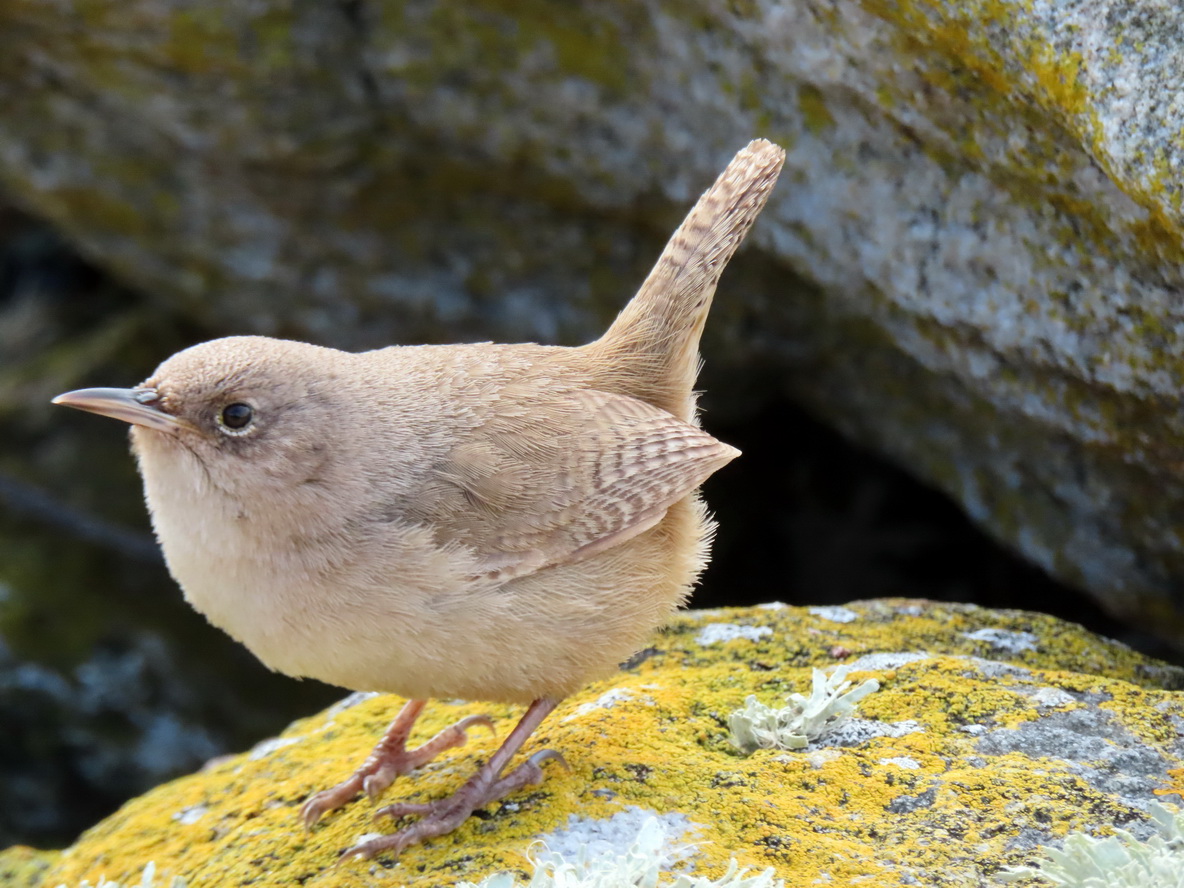
This was great news, but not really a surprise to us since the increase in bird life since 2016 suggested there were no longer any ground predators on the islands. Tussacbird (Cinclodes antarcticus) and Cobb’s wren (Troglodytes cobbi) are the only endemic songbirds in the Falklands and neither species survives on islands with introduced rats. None were found on Bense and Little Bense before 2016. But tussacbirds returned and started breeding here in 2018, and Cobb’s wrens established themselves in 2023. Another vulnerable bird has also returned to the island in our post-rodent phase: grey-backed storm petrel (Garrodia nereis). About the size of large swallow, these dainty seabirds nest in the base of tussock grass pedestals – a habit that is not compatible with rats. We don’t know if they are breeding on the islands, but we have seen two individuals on the ground so the signs are promising.